RU
RU EN
EN CN
CN


As sustainability becomes a priority across the packaging and printing industries, paper water-based ink has emerged as one of the most important innovations in flexographic and gravure printing. Compared with conventional solvent-based inks, modern water-based inks offer lower VOC emissions, excellent print quality, and compliance with increasingly strict environmental regulations.
Today, paper water-based inks are widely used for corrugated boxes, paper bags, food packaging, labels, disposable cups, cartons, and other paper products. Continuous improvements in resin technology, pigments, and additives have significantly enhanced their printing performance while reducing environmental impact.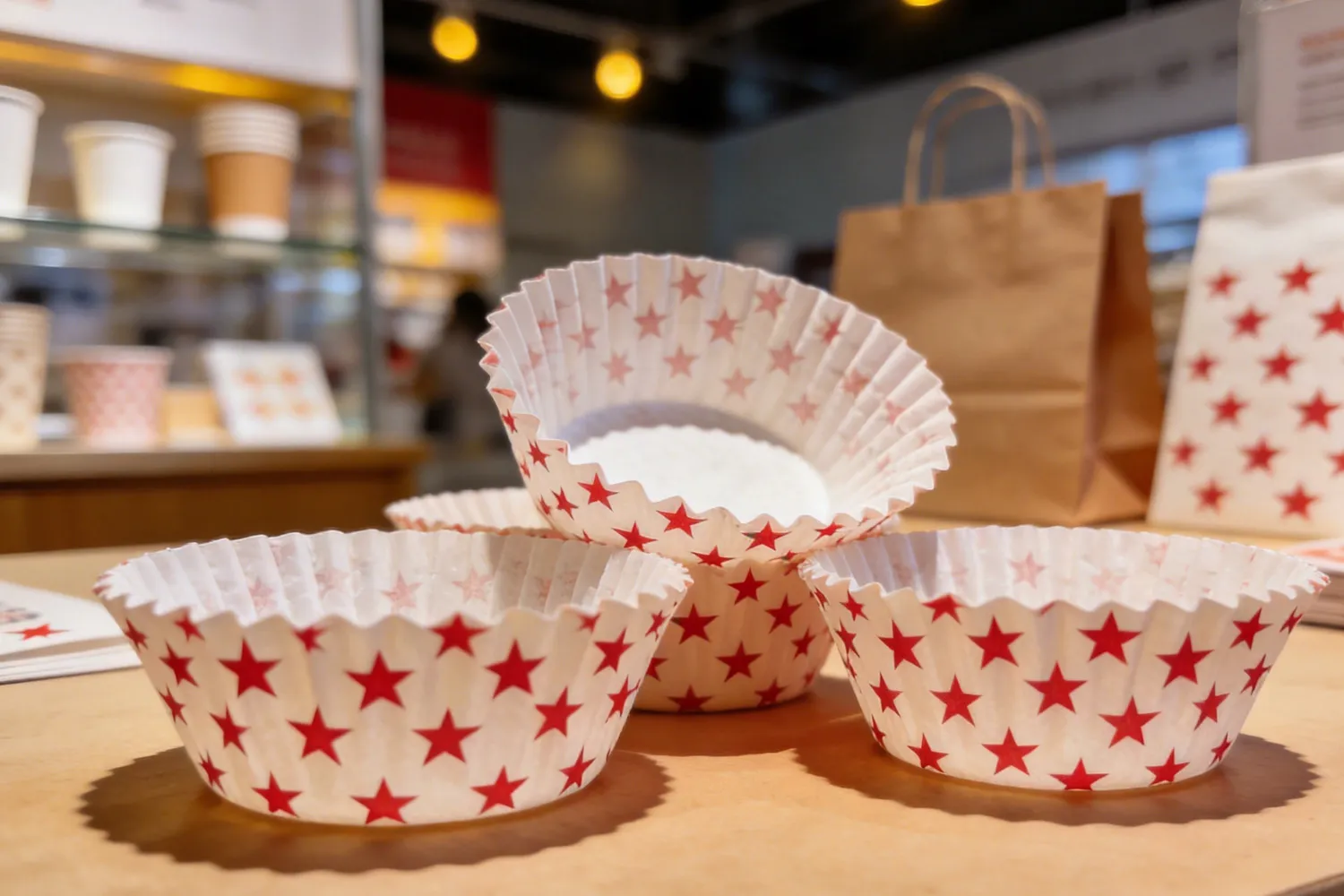
From Traditional Inks to Modern Water-Based Technology
1. Solvent-Based Printing Era
For decades, solvent-based inks dominated paper printing because of their fast drying speed and strong adhesion. However, these inks release high levels of volatile organic compounds (VOCs), creating environmental concerns and increasing workplace safety requirements.
As governments introduced stricter VOC regulations, printers began searching for cleaner alternatives.
2. First Generation Water-Based Inks
The first commercial water-based inks appeared in the 1980s.
These early formulations mainly used simple acrylic emulsions and water as the primary carrier. Although they greatly reduced VOC emissions, they suffered from several limitations:
- Slow drying speed
- Poor water resistance
- Limited gloss
- Lower printing stability at high press speeds
Because of these shortcomings, early water-based inks were mainly used for simple paper packaging applications.
3. Modern Acrylic Water-Based Inks
During the 1990s and early 2000s, significant improvements in acrylic resin technology transformed water-based inks.
Modern formulations offered:
- Faster drying
- Better pigment dispersion
- Improved color density
- Higher abrasion resistance
- Better print consistency
These improvements enabled water-based inks to replace solvent-based inks in many paper printing applications.
4. Today's Eco-Friendly Water-Based Ink
Today's high-performance paper water-based inks combine advanced acrylic emulsions, environmentally friendly additives, and optimized pigment systems.
Compared with earlier generations, modern products provide:
- Lower VOC emissions
- Better printability
- Faster production speeds
- Improved rub resistance
- Excellent compatibility with high-speed flexographic presses
They also comply with many international environmental standards required by packaging manufacturers.
Advantages of Paper Water-Based Ink
1. Environmentally Friendly
Water is the primary carrier, greatly reducing VOC emissions compared with solvent-based inks.
Benefits include:
- Lower air pollution
- Safer working environment
- Reduced solvent handling
- Easier regulatory compliance
For paper packaging manufacturers seeking sustainable production, water-based ink has become the preferred solution.
2. Excellent Printing Performance
Modern paper water-based inks deliver stable performance on high-speed flexographic presses.
Key advantages include:
- Excellent color strength
- Smooth ink transfer
- Good leveling
- Sharp image reproduction
- Consistent print quality
When properly matched with suitable paper and drying systems, they achieve excellent production efficiency.
3. Strong Adhesion on Paper
Unlike film printing, paper substrates naturally absorb water-based inks, allowing strong adhesion without aggressive solvents.
They perform well on:
- Kraft paper
- Corrugated board
- White top liner
- Duplex board
- Coated paper
- Paper bags
- Paper cartons
4. Cost-Effective Production
Although premium water-based inks may have a slightly higher purchase price, they often reduce overall operating costs by:
- Lower solvent consumption
- Reduced ventilation requirements
- Lower hazardous waste disposal costs
- Simplified cleaning procedures
- Compliance with environmental regulations
These advantages contribute to a lower total cost of ownership over time.
5. Suitable for Food Packaging
Many modern water-based inks are formulated for indirect food-contact paper packaging when used with appropriate packaging structures.
Typical applications include:
- Paper cups
- Food cartons
- Bakery packaging
- Fast-food packaging
- Fruit cartons
- Takeaway boxes
Low odor and low migration formulations are increasingly preferred by food packaging manufacturers.
6. Supports Sustainable Packaging Trends
Global brands are actively replacing plastic packaging with recyclable paper packaging.
As paper packaging demand continues to grow, water-based ink has become an essential component of sustainable printing.
It helps printers reduce environmental impact while meeting customer expectations for greener packaging solutions.
Typical Applications
Paper water-based inks are widely used in:
- Corrugated box printing
- Paper bag printing
- Carton printing
- Food packaging
- Beverage packaging
- Shopping bags
- Gift boxes
- Tissue packaging
- Labels
- Industrial paper packaging
Future Development Trends
Future innovations will focus on:
- Faster drying technologies
- Higher gloss
- Better rub resistance
- Improved water resistance
- Lower energy consumption
- Bio-based raw materials
- Digital color management compatibility
These developments will further expand the application of water-based inks in sustainable packaging.
Conclusion
Paper water-based ink has evolved from a simple environmentally friendly alternative into a high-performance printing solution capable of meeting the demands of modern packaging production.
With continuous advances in resin technology, pigment dispersion, and formulation science, today's water-based inks provide excellent print quality, lower VOC emissions, and cost-effective operation. As environmental regulations become stricter and paper packaging continues to replace plastic, paper water-based ink will play an increasingly important role in the future of sustainable printing.